
Feature - TPMS Pressure Sensors
Published on 01/01/2022
Here is a short guide to TPMS tyre pressure monitoring systems, which are compulsory on all new vehicles first registered after 1 November 2014. With explanations in particular for fitting new wheels.
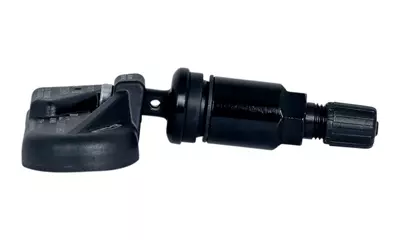
Vehicles registered since 1 November 2014 must be fitted with a TMPS pressure monitoring system. TPMS stands for Tyre Pressure Monitoring System.
Some manufacturers, mainly the VAG group (VW, Audi, Seat, Skoda), use an Indirect/Passive system that relies on existing sensors such as the ABS to determine whether a wheel is deflated, by detecting a difference in rotational speed on a deflated wheel.
The majority of vehicles use a more effective Direct/Active TPMS system made up of pressure sensors mounted on the valve, which continuously feed information to the vehicle.
This system offers many advantages, such as informing the driver in real time of problems with tyre pressure and saving them from having to check tyre pressures manually.
Types of Sensors
The sensors used in Europe have a frequency of 433Mhz. The only exception: the Tesla Model 3 and Y from 2021 use BLE (Bluetooth Low Energy) sensors.
For replacing or fitting sensors there are two families of sensors: OEM (sensor of the same brand as the original, programmed for a family of vehicles) and Universal sensors, which can be programmed with vehicle-specific data and are the most widely used solution.
What needs to be done when replacing tyres
This is a matter for the workshop: when replacing tyres on wheels fitted with a Direct TPMS system, the valve core, the seal and the tightening of the sensor should be checked and, if necessary, replaced. If the sensor is approaching its theoretical service life, the battery should be checked using a programming tool. Then simply follow the learning procedure so that the sensors are recognised; generally this just means driving a few kilometres.
Fitting new Wheels on a vehicle equipped with TPMS
This also represents an additional cost when fitting your vehicle with new wheels, since they will also need TPMS sensors programmed specifically for the vehicle, as the law requires it and without sensors a permanent fault would be displayed on the dashboard. Fortunately, over time the price has become affordable.
For most vehicles, you simply need to programme a set of sensors for them to be recognised automatically by the vehicle while driving. In some fairly specific cases, mainly the first vehicles to come out, a trip to the garage will be needed for OBD programming.
Do you have a problem with your sensors or want to fit them on new wheels?
For a replacement in the event of a fault, or if you need them fitted, our workshop is at your service: we have all the expertise and equipment needed for fitting (torque wrenches, sensor programming tools, OBD learning tool). You will find more information about our garage located in the canton of Geneva.
If you buy Wheels or complete Wheel sets from Rupteur, sensors will automatically be offered to you when you order.
You can also order TPMS sensors on their own and receive them programmed for your vehicle directly from our E-Shop:
https://www.rupteur.ch/fr/produit/accessoires-montage/universel/51/capteur-tpms-preprogramme-noir https://www.rupteur.ch/fr/produit/accessoires-montage/universel/53/capteur-tpms-preprogramme-silver https://www.rupteur.ch/fr/produit/accessoires-montage/universel/52/capteur-tpms-preprogramme-titanium« Back to the Magazine