

Brakes
Choose your vehicle
What can I type?
Smart search
Make, model, engine, year or power, in any order
Audi RS3 8Y Sportback
Scan the registration document
Tap the bar, then the camera, and point it at your registration document
A number from the registration document
15
Schild
Plaque
Targa
Numer VD 123456Number plate
Plaque
Targa
Numer VD 123456Number plate
18
Stammnummer
N° matricule
N. di matricola
Nr. da matricula 123.456.789Matricule (IVI vehicles)
N° matricule
N. di matricola
Nr. da matricula 123.456.789Matricule (IVI vehicles)
24
Typengenehmigung
Réception par type
Approvazione del tipo
Approvaziun dal tip 1AS409Type approval
Réception par type
Approvazione del tipo
Approvaziun dal tip 1AS409Type approval
“IVI” in box 24: type the matricule (box 18).
Makes
Choose a model
All models
Choose an engine
Brakes
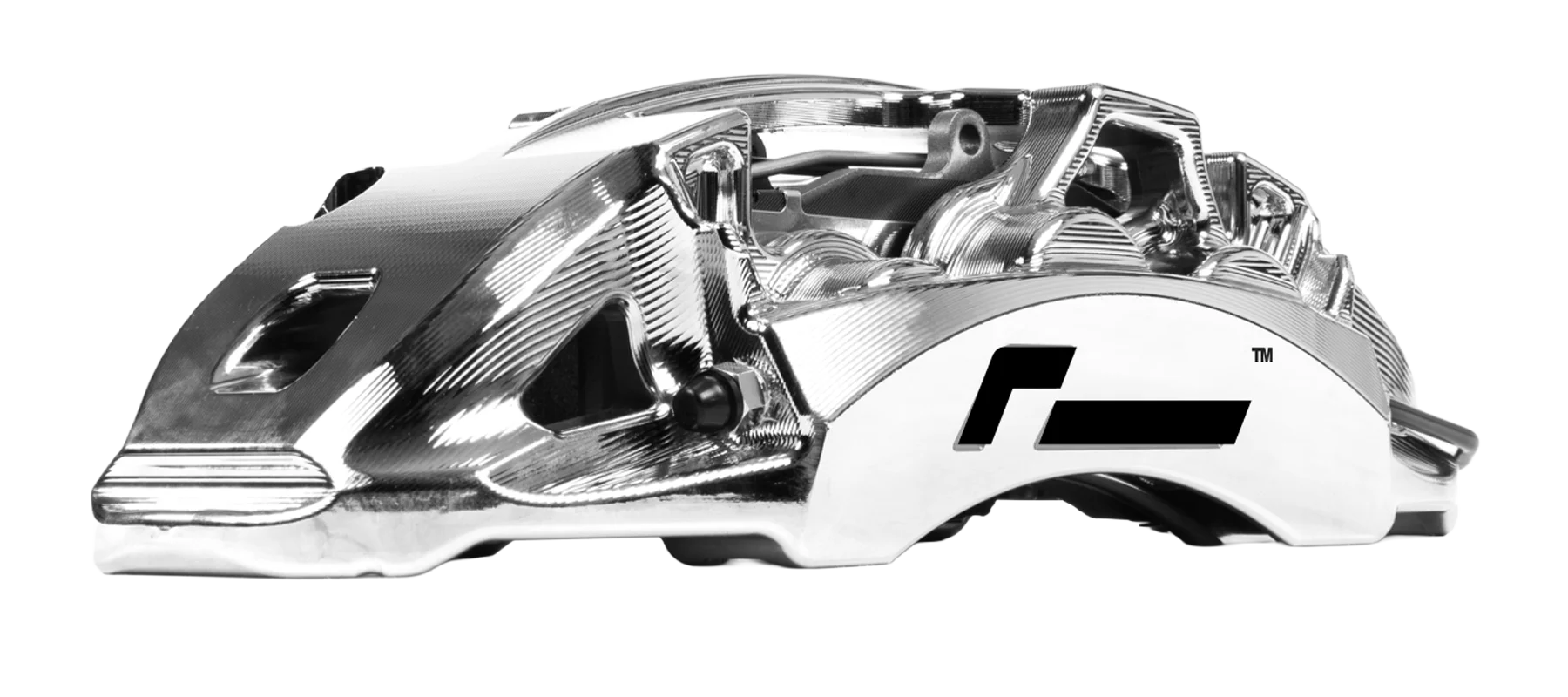
A car's braking system is undoubtedly its most important safety feature, which is why we offer only quality products that improve your car's braking distances. Our complete range includes sport or competition brake discs and pads, high-temperature brake fluid, braided brake lines and, for the most demanding, 4- or 6-piston big brake kits.
Brakes by brand


Best brake discs and pads: the best sellers in Switzerland

Disque de Frein Avant Percé Zimmermann Formula Z
254.00 Disque de Frein Avant Percé Zimmermann Formula Z pour AUDI A3 Sportback (8VA, 8VF) RS3 quattro 367 cv
397.00 
Disque de Frein Avant Percé Brembo Xtra pour SEAT LEON (5F1) 2.0 Cupra 300 cv
191.00 
Plaquettes de Frein Avant EBC Yellowstuff pour AUDI A3 Sportback (8VA, 8VF) RS3 quattro 400cv
429.00 
Plaquettes de Frein Avant EBC Yellowstuff pour VW SHARAN (7N1, 7N2) 2.0 TDI 170 cv
253.00 
Disque de Frein Avant Percé Zimmermann Formula Z
269.00 Disque de Frein Arrière Percé Brembo Xtra
94.90 
Disque de Frein Arrière Percé Zimmermann Sport Coat Z pour AUDI A3 (8V1, 8VK) S3 quattro 300cv
119.00 Disque de Frein Arrière Percé Zimmermann Formula Z pour AUDI A4 B9 Avant (8W5, 8WD) RS4 TFSi quattro 450cv
409.00 
Braided Brake Lines Fischer Hydraulik Stahlflex pour AUDI A3 Limousine (8VS, 8VM) RS3 quattro 400cv
260.00 
Disque de Frein Avant Percé Brembo
82.90 Braided Brake Lines Fischer Hydraulik Stahlflex
260.00 
Disque de Frein Brembo Prime Line
180.00 Braided Brake Lines Fischer Hydraulik Stahlflex pour BMW 2 Coupé (F22, F87) M2 Competition 411cv
260.00 Braided Brake Lines Fischer Hydraulik Stahlflex pour BMW 3 Touring (F31) 318 d 150 cv
260.00 Braided Brake Lines Fischer Hydraulik Stahlflex pour BMW 4 Coupé (F32, F82) M4 Competition 450cv
260.00 
Disque de Frein Avant Percé Zimmermann Sport Coat Z pour VW GOLF VI (5K1) 2.0 R 4motion 270 cv
171.00 
Plaquettes de Frein Avant EBC Yellowstuff
300.00 
Disque de Frein Avant Rainurés/Percé Zimmermann Sport Coat Z
217.00 Braided Brake Lines Fischer Hydraulik Stahlflex pour BMW 2 Coupé (F22, F87) M2 370cv
260.00 Braided Brake Lines Fischer Hydraulik Stahlflex
260.00 Braided Brake Lines Fischer Hydraulik Stahlflex pour TOYOTA YARIS (_P21_, _PA1_, _PH1_) 1.6 GR 4WD (GXPA16) 261 cv
260.00 
Disque de Frein Avant Percé Zimmermann Sport Coat Z
182.00 
Plaquettes de Frein Avant Ferodo DS 3000 pour KTM X-Bow Décapotable 2.0 R 300cv
287.00 Brakes by vehicle: most searched

Kit Gros Freins

Plaquettes de Frein

Durites de Freins Aviation
Car brakes: choosing the right discs, pads and brake lines
Brake pads: road, sport or track
The pad accounts for most of how the brakes feel. Road pads favour quietness, low dust and effectiveness from cold. Sport ranges, such as EBC Yellowstuff or Ferodo DS2500, bite harder and cope better with heat during spirited driving, at the cost of slightly more noise and dust.
Track compounds only work well once hot: they are not made for everyday traffic.
Plain, drilled or slotted discs
- Plain disc: the original-equipment choice, quiet and long-lasting.
- Drilled disc (for example Brembo Xtra or Zimmermann Formula Z): the holes help clear gases and water and give a sporty look.
- Slotted disc: the slots clean the pad surface and keep the bite consistent under hard use.
An anti-corrosion coating, such as Zimmermann's Coat Z, keeps the disc's hat and edge clean behind open-spoke wheels.
When should you change discs and pads?
Signs to watch for: the wear warning light on the dashboard, a metallic grinding noise, vibration through the pedal or steering wheel when braking, a car that pulls to one side.
Each disc carries an engraved minimum thickness (“MIN TH”): below it, the disc must be replaced. Depending on wear, discs are often changed with every second set of pads; new discs are always fitted with new pads.
Braided brake lines and brake fluid
Braided brake lines (stainless steel braided, for example Fischer Hydraulik Stahlflex) do not swell under pressure: the pedal becomes firmer and more precise.
Brake fluid absorbs moisture over time, which lowers its boiling point. It is generally replaced every two years, according to the manufacturer's service schedule. Use the specified standard (DOT 4 or DOT 5.1, glycol-based) and never mix it with silicone-based DOT 5 fluid.
Big brake kits and homologation
A big brake kit combines multi-piston calipers with larger-diameter discs. It requires wheels that are large enough and have the right design to clear the calipers: check compatibility before choosing your wheels.
In Switzerland, non-original discs or braking systems require a homologation certificate for your vehicle. Where one exists, it is supplied or offered at extra cost: see Homologations.
Brake fitting in Geneva
Our workshop in Aïre fits brakes bought from Rupteur, with labour at a fixed price per axle: CHF 99 for pads, CHF 129 for discs and pads. Replacing the brake fluid with a full system bleed costs CHF 119.
Frequently asked questions
Should discs be changed at the same time as pads?
New discs are always fitted with new pads. Conversely, you can change the pads alone if the discs are above their minimum thickness, with no warping or deep scoring.
Do brakes need to be changed on both sides?
Yes: discs and pads are changed per axle, left and right at the same time, so that the car brakes in a straight line.
How do you bed in new brakes?
For the first few hundred kilometres, brake progressively, avoid repeated emergency stops and do not keep your foot on the pedal when stationary just after heavy braking. Also follow the manufacturer's advice supplied with the parts.
Are sport brake pads suitable for everyday use?
Sport pads designed for the road, yes: they brake well both cold and hot. Pads intended for track use only, no: they need heat to be effective.
Which brake fluid should I choose?
The one specified by the manufacturer (shown on the reservoir or in the service book), most often DOT 4 or DOT 5.1. A fluid with a higher boiling point is useful for track use. Never mix with silicone-based DOT 5.
Are sports brake discs approved in Switzerland?
Non-original discs require a homologation certificate for your vehicle. Where one exists, it is supplied or offered at extra cost. Details on the Homologations page.
How much does brake fitting cost in Geneva?
For parts bought from Rupteur, our workshop in Aïre charges labour at a fixed price per axle: CHF 99 for pads, CHF 129 for discs and pads. Appointments and quotes: brake service.
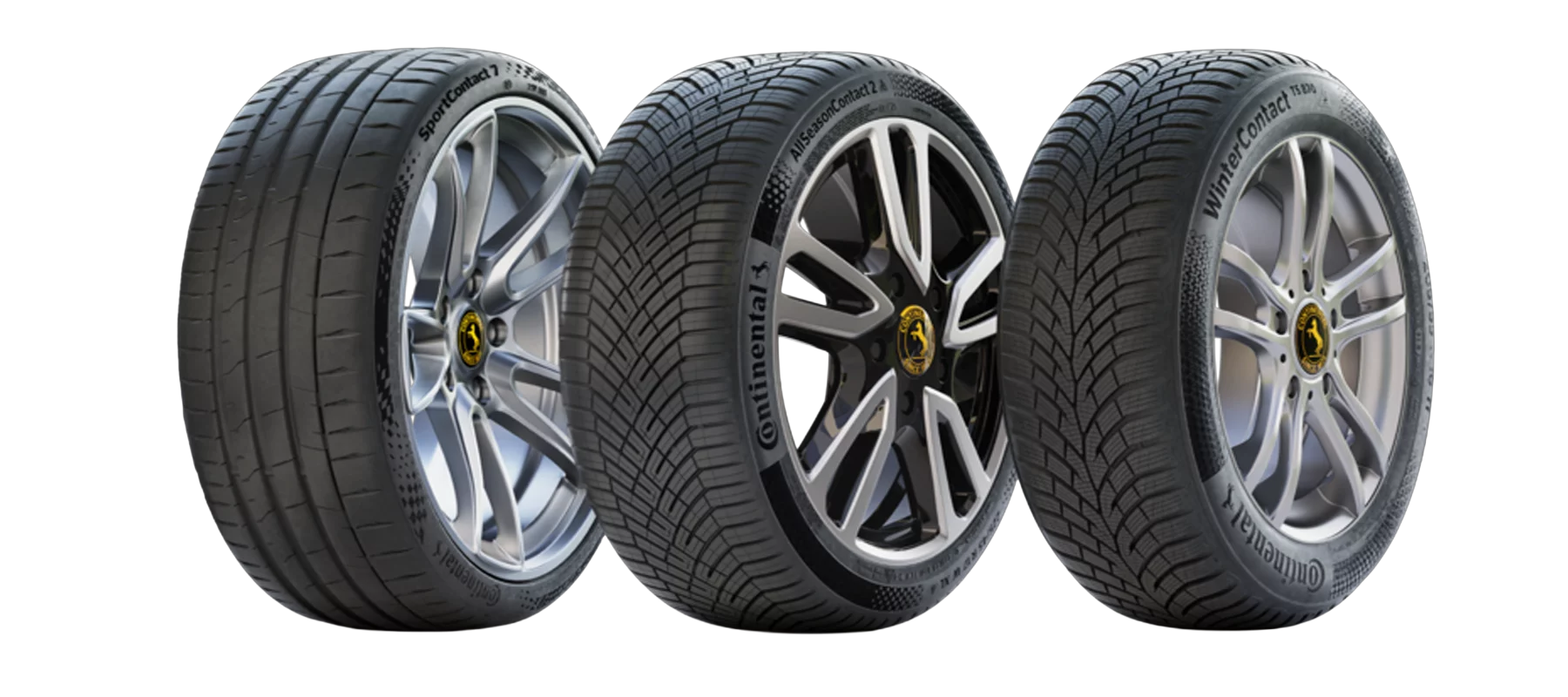 pneus
pneus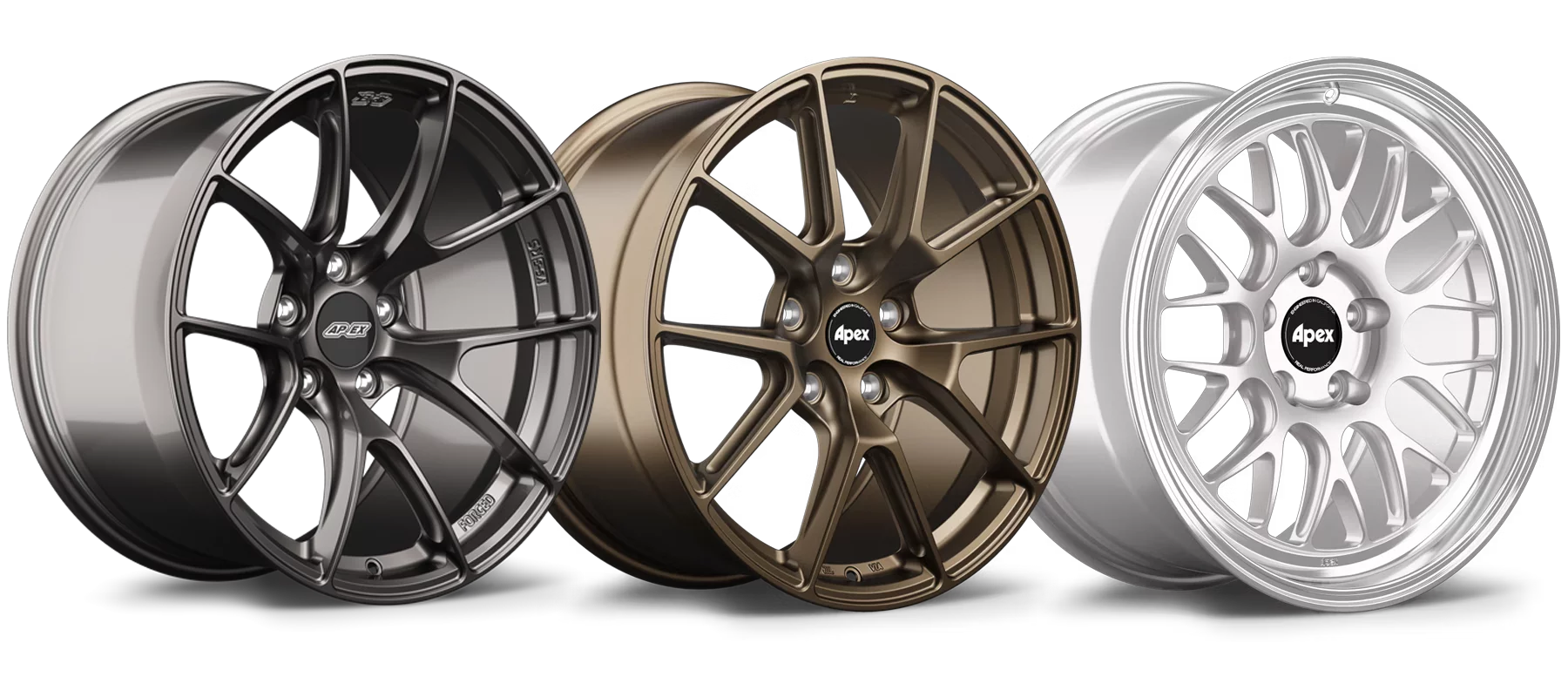 jantes
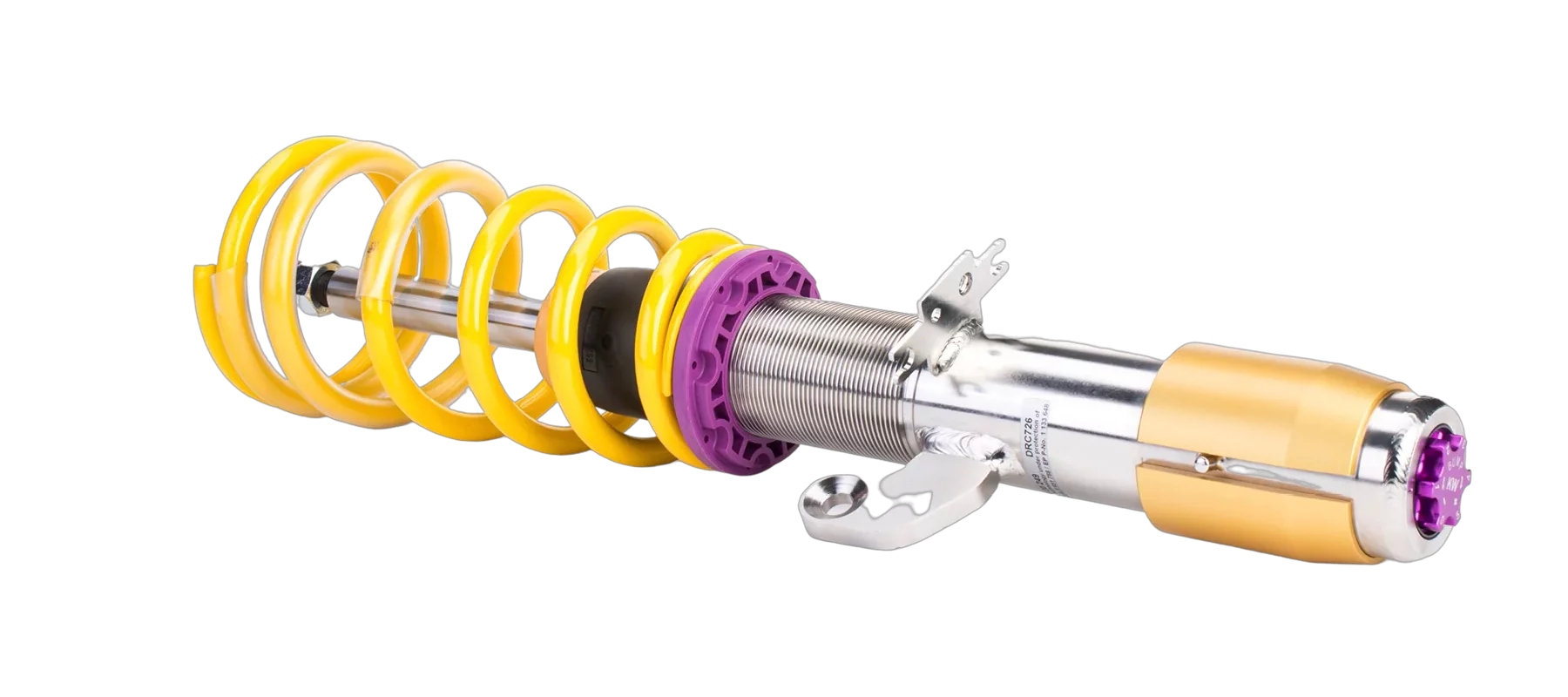 suspensions
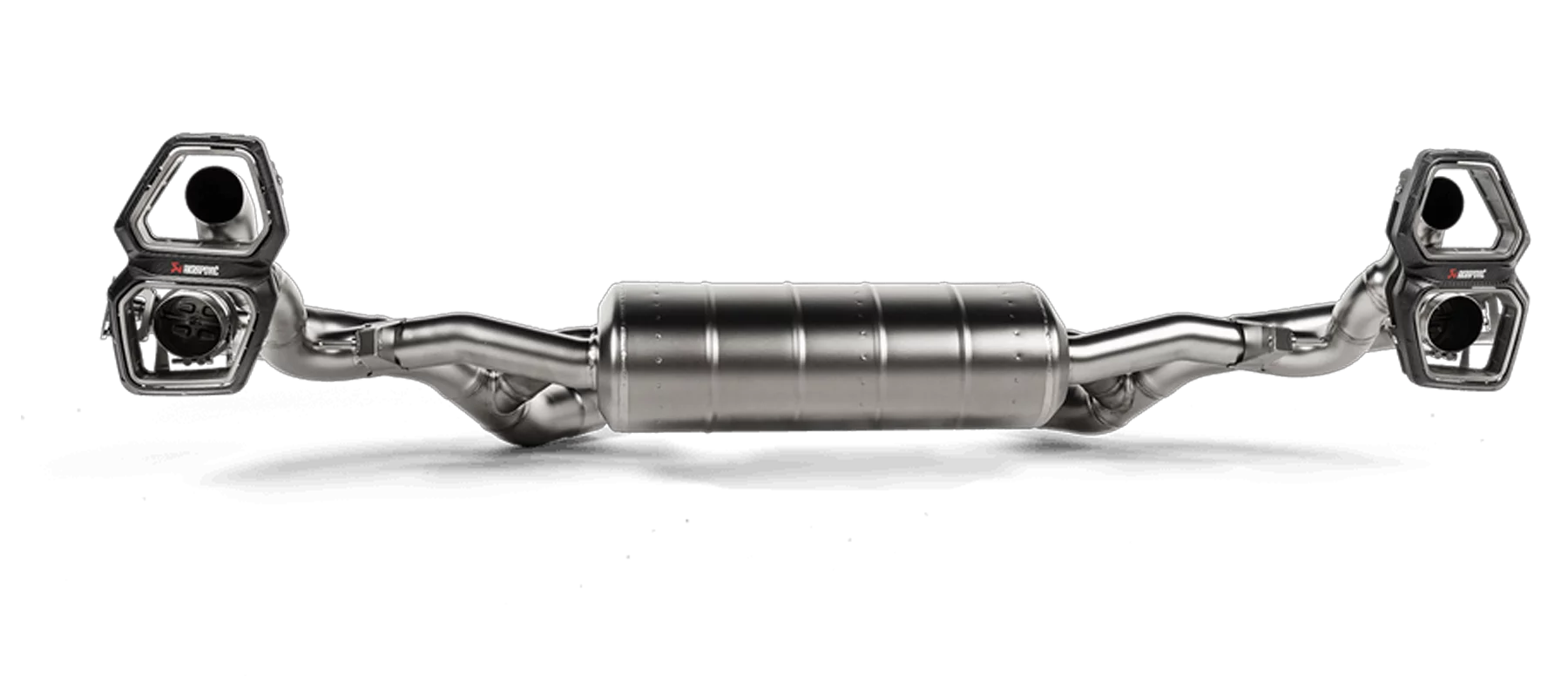 exhausts
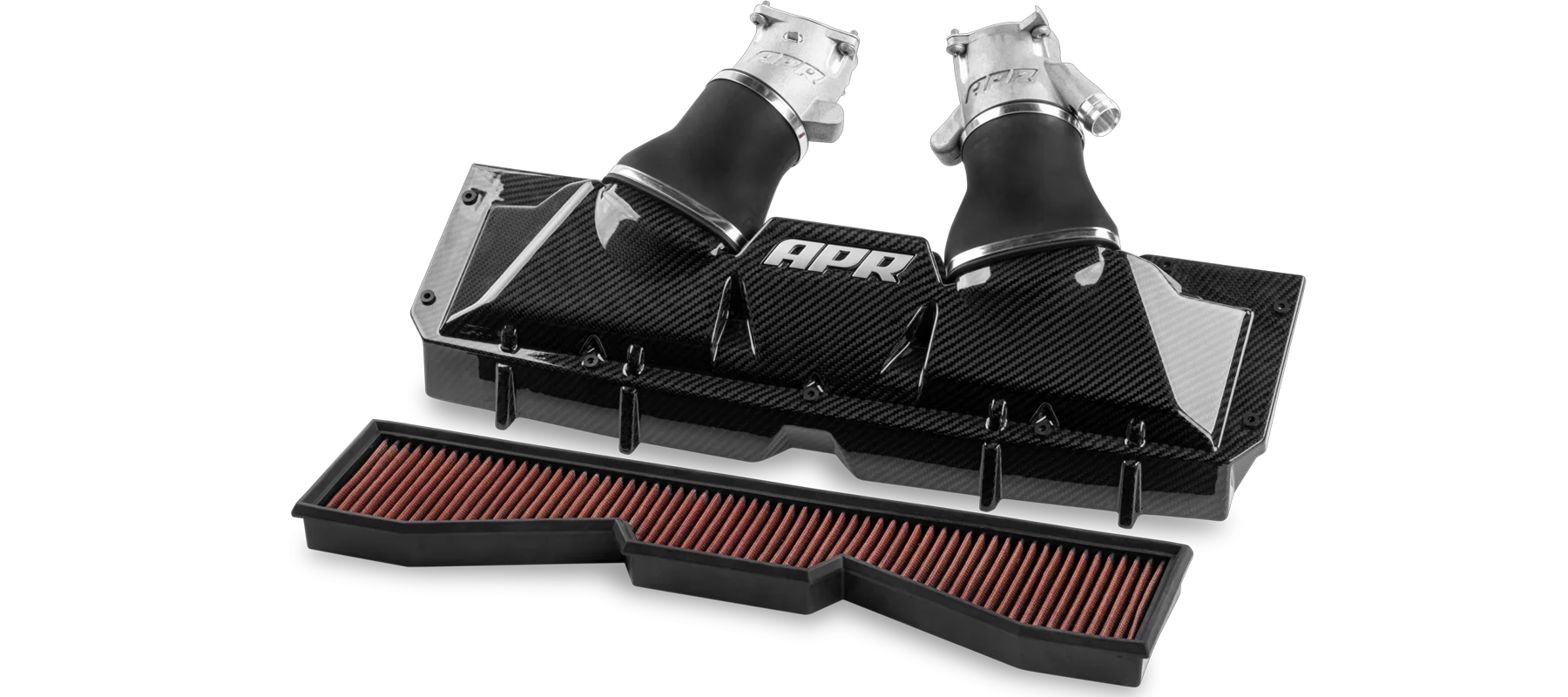 intake
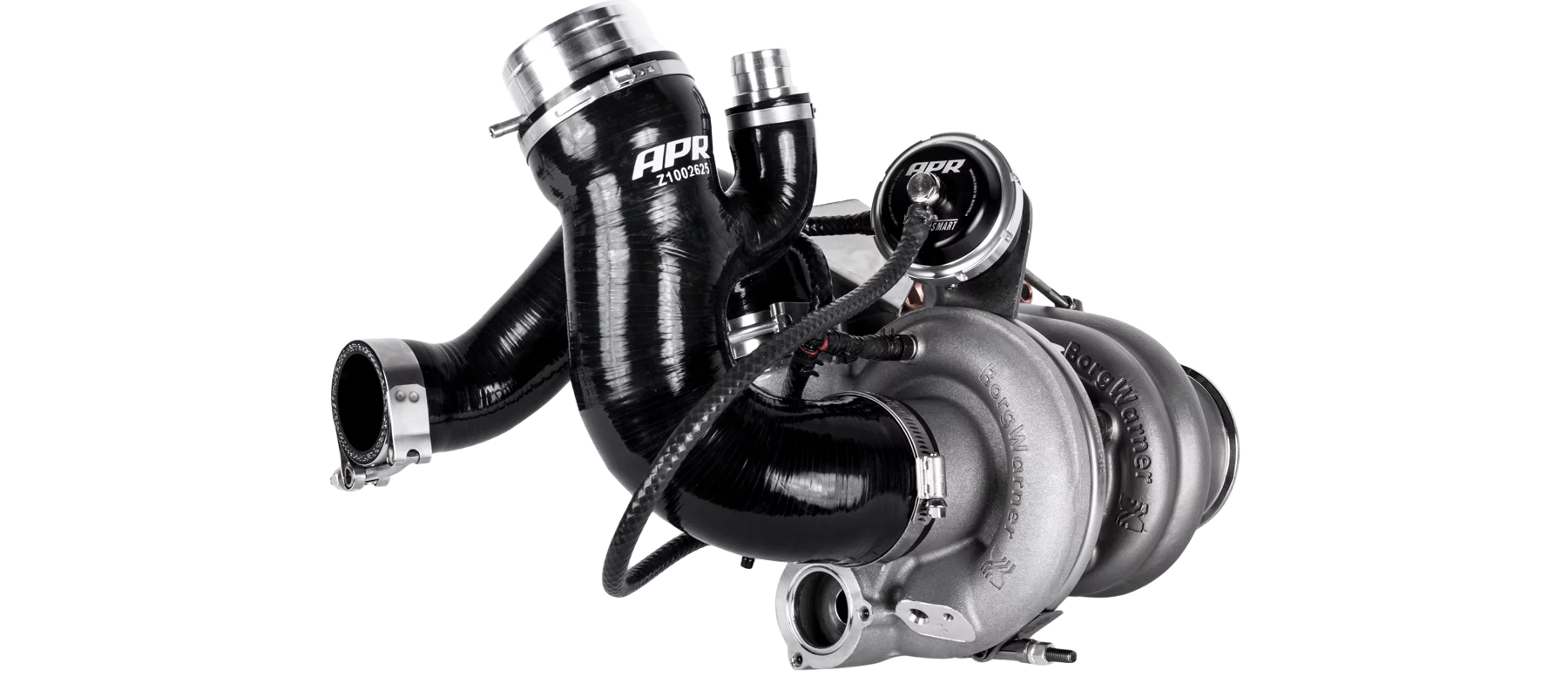 engine
 service
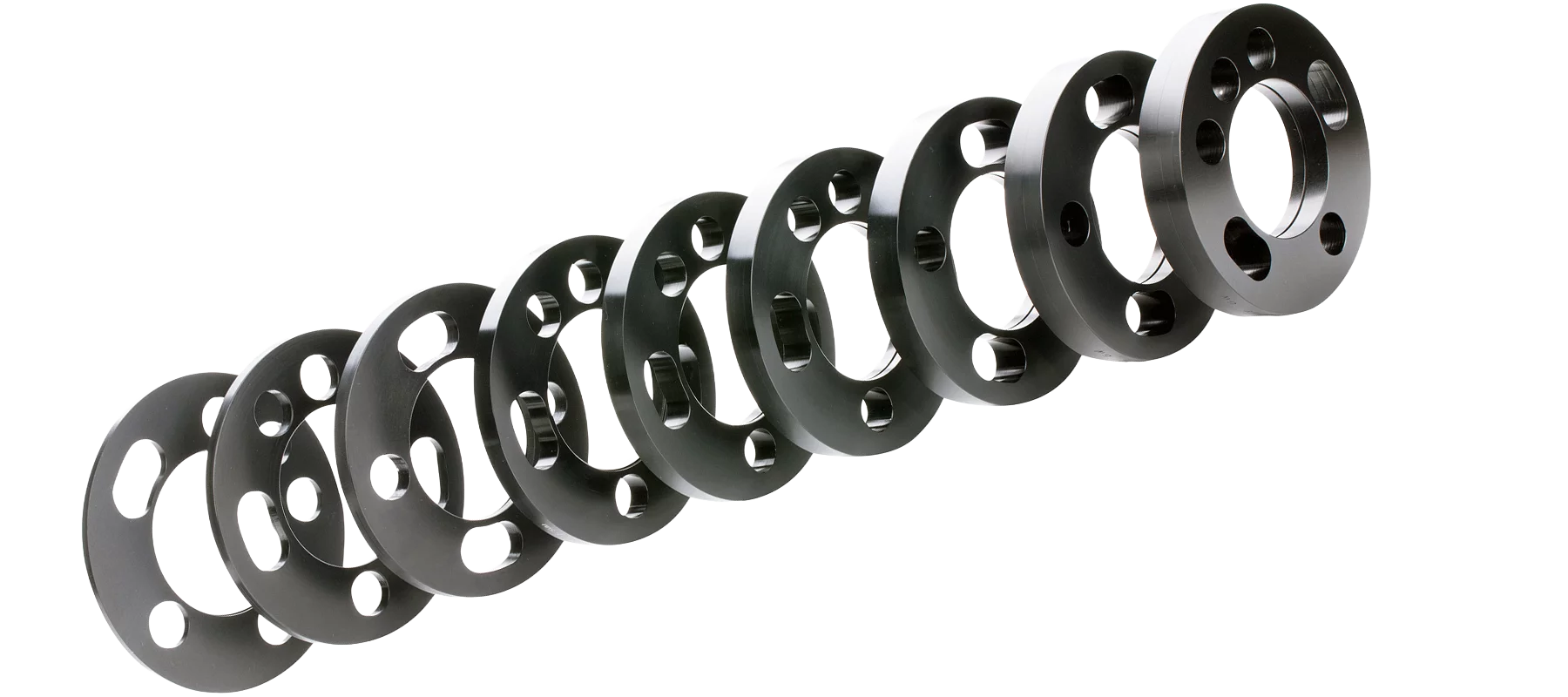 cales
cales